
- 🗝️ Key Information about the Grand Bazaar
- 🧭 Why Visit the Grand Bazaar of Istanbul?
- 🚇 How to Get to the Grand Bazaar?
- ⏰ What are the Grand Bazaar’s Opening Hours?
- 🕰️ Best Time to Visit the Grand Bazaar?
- 💰 What are the Entry Fees for the Grand Bazaar?
- 💻 Advantage of Booking
- 🔍 Services and Practical Tips
- 💡 My Tips for a Successful Visit to the Grand Bazaar
- 🏨 Best Hotels Near the Grand Bazaar
- 🗺️ What to See Around the Grand Bazaar
- 🧿 What to Do Near the Grand Bazaar?
- ⚠️ Tips to Avoid Scams
- 💬 My Personal Opinion on the Grand Bazaar
- 🏗️ History and Architecture of the Grand Bazaar
- ❓ Grand Bazaar FAQ
- 📚 Official Sources on the Grand Bazaar
- What else to do in Istanbul?
🗝️ Key Information about the Grand Bazaar
| Official Name | Grand Bazaar, Kapalıçarşı |
| Address | Beyazıt, Kalpakçılar Cd. No: 22, 34126 Fatih/Istanbul, Turkey |
| Opening Hours | Every day from 08:30 to 19:00. Closed on national and religious holidays. |
| Entry Fees | Entry is free. |
| Tickets | Entry is free, but a guided tour is highly recommended to avoid getting lost and discover its secrets. Book an expert guide here. |
| Visit Duration | Plan between 2 hours (for a surface exploration) and half a day (to really get lost in it). |
| Tip #1 | Don’t be afraid to get lost! It’s the best way to discover hidden workshops and feel the true pulse of the bazaar. |
| Last Updated | Last price and schedule verification: January 2026 |
🧭 Why Visit the Grand Bazaar of Istanbul?
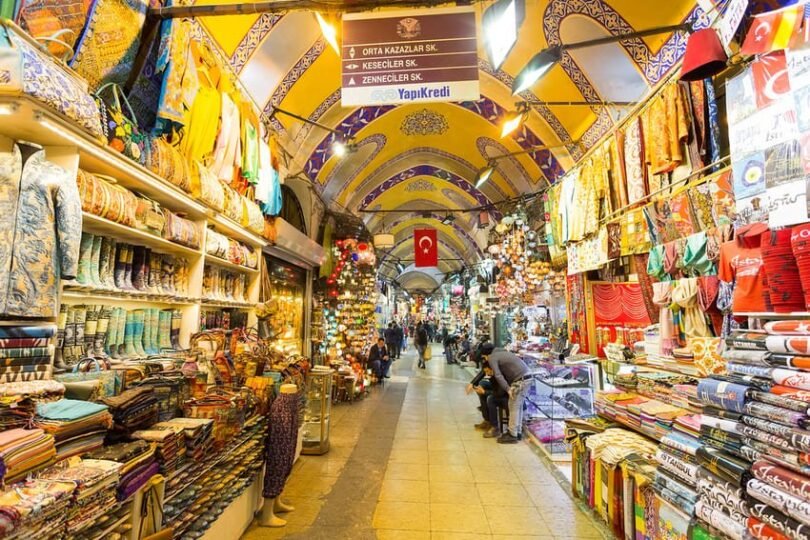
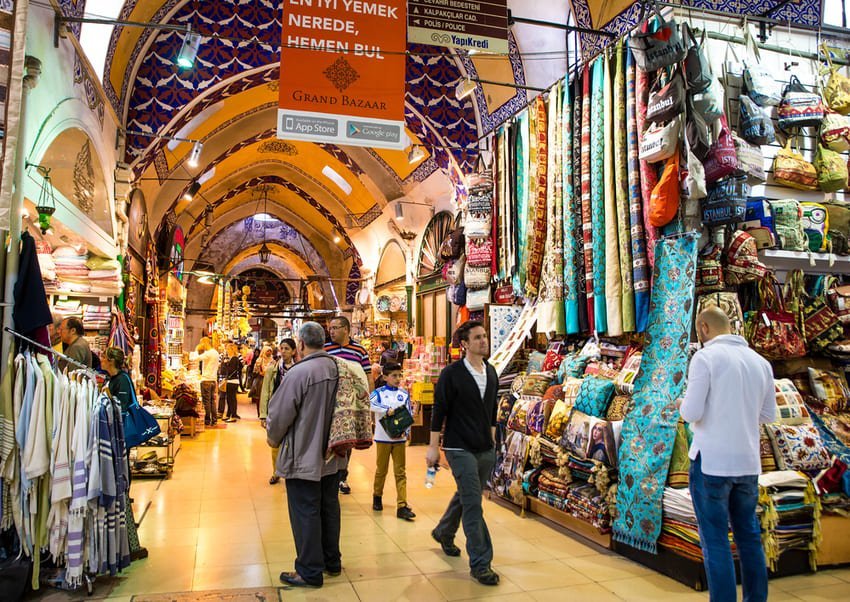
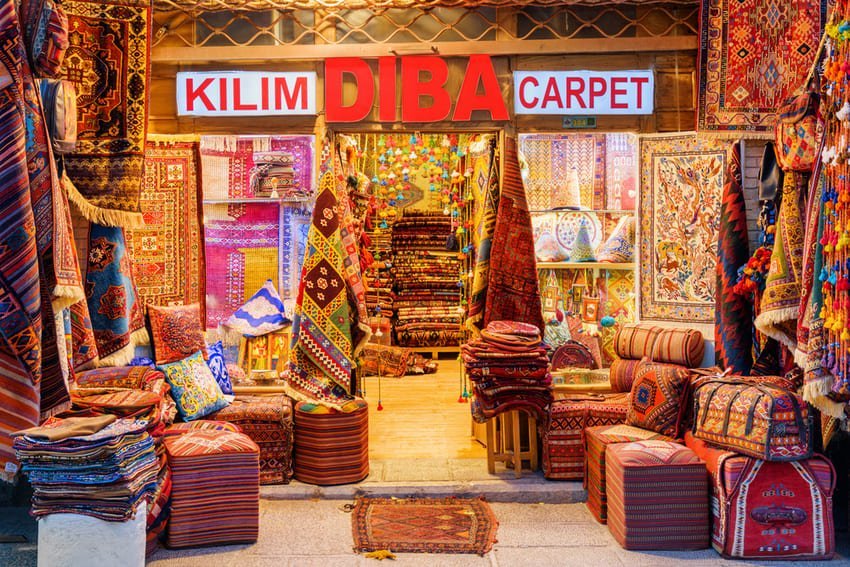
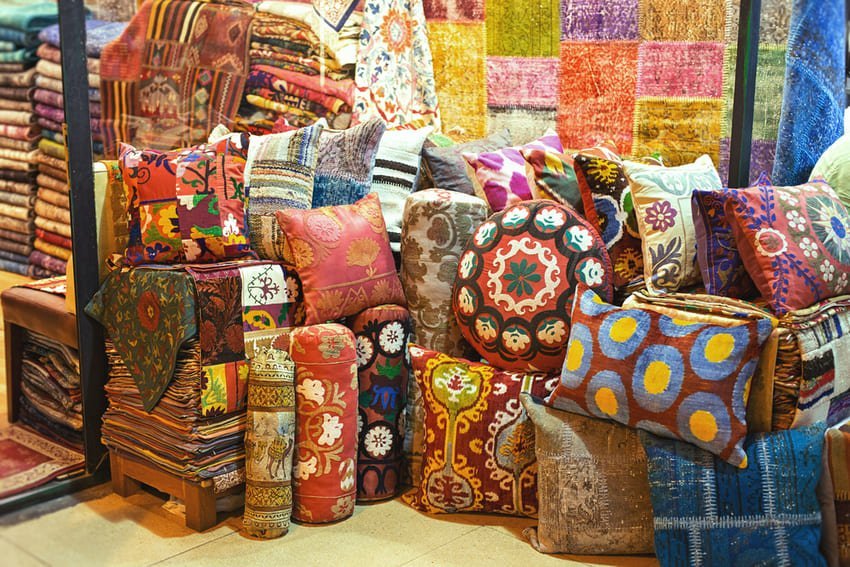
Imagine a labyrinth of 61 covered streets, housing over 4,000 shops under painted vaults… Why does this place attract so many crowds? Because the Grand Bazaar is not just a market, it’s the beating heart of Istanbul for over 500 years. People come for shopping, of course, but especially for the atmosphere, the spectacle of artisans at work, and that incredible feeling of walking through living history.
What awaits you is a veritable Aladdin’s cave. Beyond the carpets and colorful lamps, you’ll discover hidden courtyards (han), centuries-old fountains, and two historical sections, the bedestens. With its 30,700 m², it’s one of the largest covered markets in the world and undoubtedly one of Istanbul’s most photographed places. An unforgettable experience awaits you.
🚇 How to Get to the Grand Bazaar?
Getting to the Grand Bazaar is very simple thanks to Istanbul’s excellent public transport. Here are the most convenient options.
Metro and Tram
The simplest and most efficient way is to take the T1 tram line (Kabataş-Bağcılar). This is the line that serves all the key points of the old city. From Sultanahmet, it’s just one stop! Get off at “Beyazıt-Kapalıçarşı” station. The main entrance to the bazaar is right across. Remember to have your Istanbulkart, essential for all your journeys. From Taksim, take the F1 funicular to Kabataş, then tram T1. The total journey takes about 25 minutes.

Bus, Ferry and Taxi
Many buses serve Beyazıt square. If you’re coming from the Asian side, the ferry to Eminönü, followed by a short walk or two tram stops on T1, is a very pleasant option.
For taxis, I strongly advise you to use the BiTaksi or Uber apps to avoid meter scams and know the price in advance. To try Uber, you can enjoy £30.35 off via my referral link. A ride from Taksim costs around 150-200 TL depending on traffic.
📢 Local expert tip: Honestly, the T1 tram remains the best solution. It’s fast, economical and drops you off literally at the bazaar’s doorstep. Avoid taking a taxi during rush hour in the historic peninsula, you’d spend more time in traffic jams than shopping!
⏰ What are the Grand Bazaar’s Opening Hours?
- Open every day: from 08:30 to 19:00.
- The recommended last entry is around 18:30, as merchants start packing up.
- Closed: The bazaar is closed during national holidays and religious festivals (such as Eid).
🕰️ Best Time to Visit the Grand Bazaar?
The ideal visit duration is approximately 2 to 3 hours. This gives you time to wander, negotiate some purchases and soak up the atmosphere without rushing.
To Avoid the Crowds
The best time is undoubtedly early morning, just after opening (between 9am and 10am). The alleys are still calm, merchants are setting up their stalls, and the atmosphere is more authentic. Late afternoon, after 5pm, is also a good option. Definitely avoid the 1pm-4pm slot, especially in summer, when the crowd and heat can make the visit stifling.
For Taking Photos
📢 Local expert tip: For photographers, the morning light is magical. It filters through the small windows of the vaults and creates spectacular light beams in the still quiet alleys. This is when you can capture the soul of the bazaar, with merchants sipping their first çay of the day.
💰 What are the Entry Fees for the Grand Bazaar?
Here’s one of the best news for planning your budget without surprises: entry to the Grand Bazaar is completely free!
You can enter and exit as many times as you wish, wander its alleys and admire the shop windows without spending a single lira. Of course, the challenge will be resisting temptation! There are no additional costs to enter, but plan for a small budget for a Turkish coffee or a simit if you feel like it.
💻 Advantage of Booking
If entry is free, why book anything? Because the Grand Bazaar is a labyrinth. A guided tour transforms a simple walk into a fascinating adventure.
Book Your Guided Tour Online
Honestly, I highly recommend it for a first visit. Booking a guide online ensures you won’t get lost, will discover hidden courtyards (han), understand the history of the place, and learn the basics of bargaining. It’s an incredible time saver and the best way to find the most authentic artisans, far from tourist traps.
Is the Istanbul Pass Worth It?
Worth it if you plan to visit at least 4 historical sites. Imagine exploring Istanbul freely, without worrying about queues or buying tickets at every attraction. That’s the promise of the Istanbul Tourist Pass®. It gives you access to over 100 attractions, including guided tours of must-sees (like Topkapi!), a magical Bosphorus cruise, and much more. You don’t wait in line, you just enjoy. It’s the key to a stress-free and discovery-rich stay.
🔍 Services and Practical Tips
Dress Code and Rules of Conduct
Unlike mosques, there is no strict dress code to enter the Grand Bazaar. It’s a place of commerce. However, respectful attire is always appreciated. The golden rule is bargaining: it’s a tradition, a social game. Don’t forget it!
Accessibility (Reduced Mobility, Strollers, Sensitivity)
The crazy thing is that the bazaar dates back to the 15th century, and its accessibility reflects that. For people with reduced mobility (PRM) and strollers, the visit is very complicated: the ground is uneven, there are small steps and dense crowds. Honestly, I don’t recommend this visit for wheelchairs. There are no elevators. Information panels exist at the main entrances, but no official audio guides.
Amenities (Toilets, Lockers, Wi-Fi)
You will find toilets (usually for a fee, have some change ready) at several places in the bazaar. There are no official lockers for bags. Free Wi-Fi is almost non-existent, except in some cafes inside.
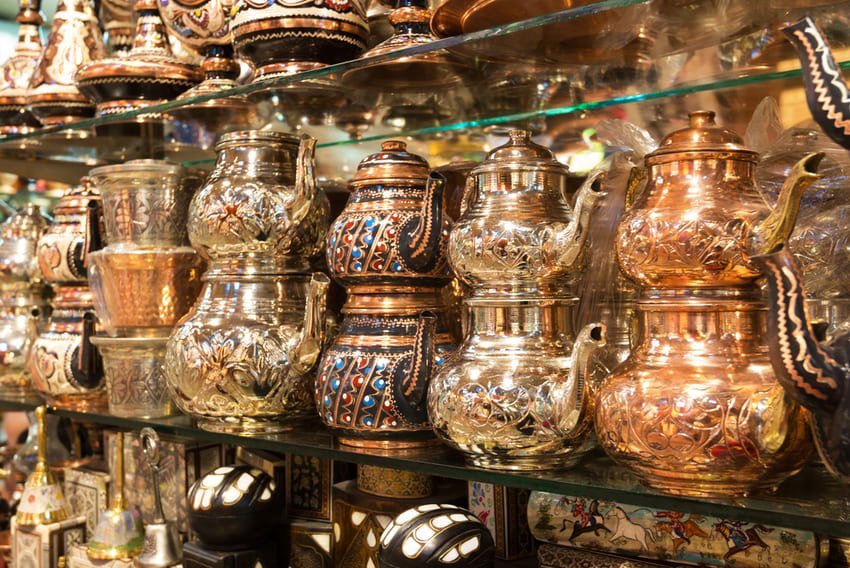
Dining and Shopping (My Advice)
📢 Expert Tip: Avoid the flashy restaurants in the main alleys. For an authentic break, look for the Havuzlu Restaurant, a hidden institution where merchants have lunch. Or, even better, exit towards the university side and have a çay in a local cafe for a fraction of the price.
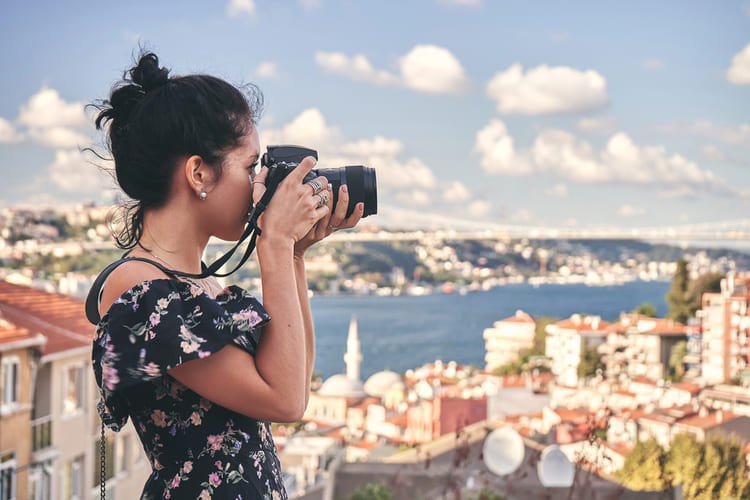
Photo & Video (The Best Spots)
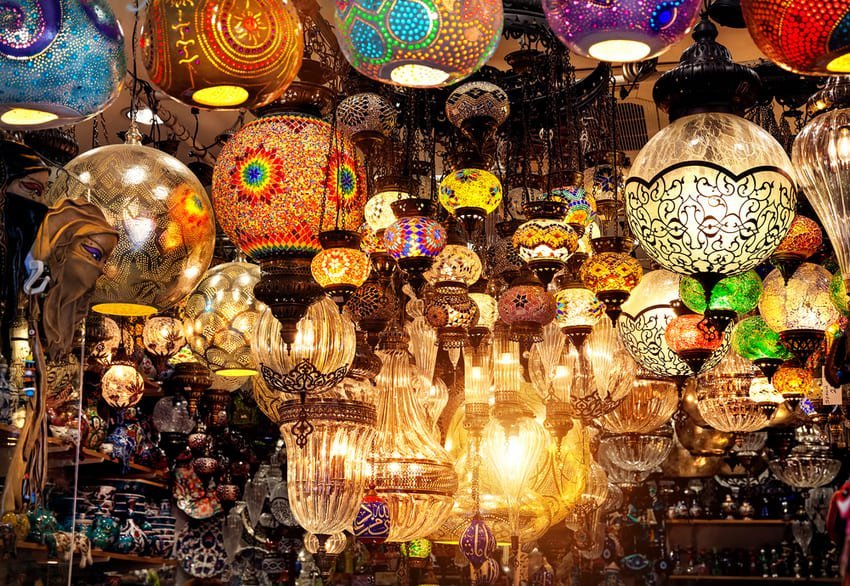
You can take photos and videos everywhere, but always ask for permission before photographing an artisan or their shop. The best spots: 1) The lamp sellers’ street (Fesçiler Caddesi) for its colors. 2) The bird’s-eye view from the roof of Zincirli Han (ask the guard nicely for access). 3) Life scenes around a fountain early in the morning.
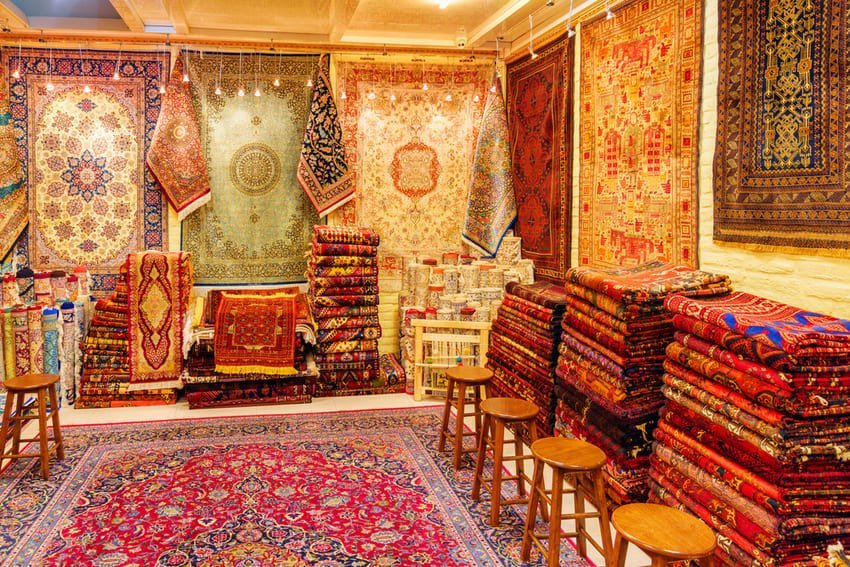
💡 My Tips for a Successful Visit to the Grand Bazaar
Here is my little personal checklist to enjoy 100% of your exploration in this mythical place.
- Wear very comfortable shoes, you will walk a lot!
- Have some cash and small change (Turkish Lira) for small expenses like tea or toilets.
- Keep in mind the gate number you entered through (there are 22!) or use an external landmark (like the Nuruosmaniye Mosque).
- Don’t hesitate to say “no, thank you” (hayır, teşekkürler) with a smile if a seller is too pushy.
My “Off the Beaten Path” Tip
📢 Unique Expert Tip: The real treasure of the Grand Bazaar is not the objects, it’s the hans (caravanserais). Look for Zincirli Han. It’s a magnificent and peaceful inner courtyard, with a central tree and leather artisans. The guard, for a small tip, will sometimes let you go up to the roof for an absolutely unique view of the bazaar’s domes and surrounding mosques. A well-kept secret!

🏨 Best Hotels Near the Grand Bazaar
Staying near the Grand Bazaar means immersing yourself in historic Istanbul. Here is my personal selection of hotels, all rated at least 4/5, for all budgets.
| Budget | Hotel Name | Description |
|---|---|---|
| Low Budget | Hotel Beyaz Saray | Excellent value for money, 3 minutes walk away. Its major asset is its rooftop pool with a breathtaking view of the city. |
| Low Budget | Prestige Hotel Old City | Located 5 minutes walk away, it offers modern and comfortable rooms. Perfect for resting after a long day of walking. |
| Mid-Range | Wyndham Grand Istanbul Old City | Only 500 meters away, this hotel offers impeccable service and a relaxing spa, ideal for unwinding. Elegant and cozy atmosphere. |
| Mid-Range | Crowne Plaza Istanbul – Old City | A 5-star hotel 8 minutes walk away, known for its indoor pool and hammam. The atmosphere is a mix of Ottoman luxury and modern comfort. |
| High-End | Sura Hagia Sophia Hotel | An exceptional luxury hotel 10 minutes walk away (one tram stop). Its lush garden and pool make it an oasis of peace in the heart of the city. |
| High-End | Four Seasons Hotel at Sultanahmet | The height of luxury in a former Ottoman prison, 15 minutes walk away. The atmosphere is unique, intimate, and historic. World-class service. |
For me, without hesitation, the best hotel in Istanbul near the Grand Bazaar is the Hotel Beyaz Saray because its rooftop terrace offers a breathtaking panorama at sunset. It’s a real favorite for a reasonable budget.
🗺️ What to See Around the Grand Bazaar
Take advantage of your visit to the Grand Bazaar to discover other must-see sites in the neighborhood, all within walking distance!
- Süleymaniye Mosque : an architectural masterpiece 10 minutes walk away.
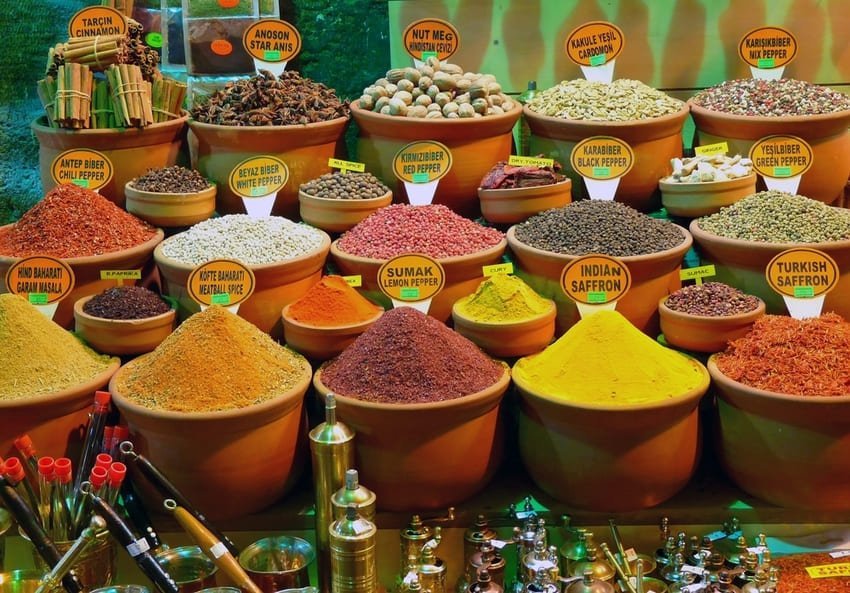
- The Spice Bazaar (Mısır Çarşısı) : a festival of colors and smells 15 minutes walk away.
- Istanbul University : right next door, with its impressive monumental gate (2 minutes walk).
- Column of Constantine (Çemberlitaş Sütunu) : a Roman remnant on the tram route, 5 minutes walk away.
- The Blue Mosque and Hagia Sophia : just 15 minutes walk or one tram stop away.

Itinerary Suggestion (Half a day of shopping and history)
Start your morning at 9 am at the Grand Bazaar to avoid the crowds. Get lost in its alleys for 2 hours. Exit through the north gate and walk 10 minutes to the sublime Mosque of Suleiman the Magnificent. After the visit, walk down to the Spice Bazaar for a sensory immersion. Finish in style by crossing the Galata Bridge at sunset. The neighborhood, especially around the bazaars, is a vibrant anthill full of energy.
🧿 What to Do Near the Grand Bazaar?
Extend the magic of your visit to the Grand Bazaar! Just nearby, hidden treasures, unique activities, and services await you, selected for you:
⚠️ Tips to Avoid Scams
Istanbul is a safe city, but this very touristy place attracts a few opportunists. Here’s how to spot them in the blink of an eye:
- The “friendly” invitation for tea : A very (too) friendly seller invites you to the back of the shop for tea. It’s a high-pressure sales technique. Kevin’s Tip: Thank politely (teşekkür ederim) and continue your way saying “I’m just looking” (sadece bakıyorum).
- The “Special price for you, my friend” : The first price announced is often 2 to 3 times higher than the real price. Don’t be impressed. Kevin’s Tip: Smile, divide the price by two to start bargaining, and be ready to walk away. Often, the seller will catch up with you with a better offer.
- Fake guides at the entrance : People approach you outside claiming to be “official guides” to help you skip lines (which don’t exist here!). Kevin’s Tip: Ignore them or simply say you already have a guide. Only book your guides on reliable online platforms.
Just stay vigilant and everything will go wonderfully well!
💬 My Personal Opinion on the Grand Bazaar
After dozens and dozens of visits, I can tell you: the Grand Bazaar leaves no one indifferent. Here is my sincere analysis.
The Expert’s Pros 👍
- The unique atmosphere: It’s a journey back in time. The sound, the smells, the excitement… it’s incomparable.
- A photographer’s paradise: Every corner is a scene of life, a potential composition.
- Discovering craftsmanship: You can still see artisans working metal, leather, or repairing carpets.
The Cons 👎
- The oppressive crowd: At peak hours, the visit can become really unpleasant. Solution: Go at opening time.
- The “tourist trap” side: Many shops sell the same “made in China” souvenirs. Solution: Go deep into the side streets and hans to find the real artisans.
- The risk of getting lost: Without a guide, you can quickly go in circles and miss the essential parts. Solution: Accept getting lost or hire a guide for the first time!
My Favorite Moment
Frankly, for me, the essence of the Grand Bazaar reveals itself when you get lost voluntarily. My favorite moment is sitting on the steps of a hidden inner courtyard, with the muffled noise of the main alleys in the distance. You hear the hammering of a coppersmith, the smell of leather from a nearby workshop, and you see merchants sharing a glass of tea. That is the real spectacle. A suspended moment, far from the tourist frenzy.
🏗️ History and Architecture of the Grand Bazaar
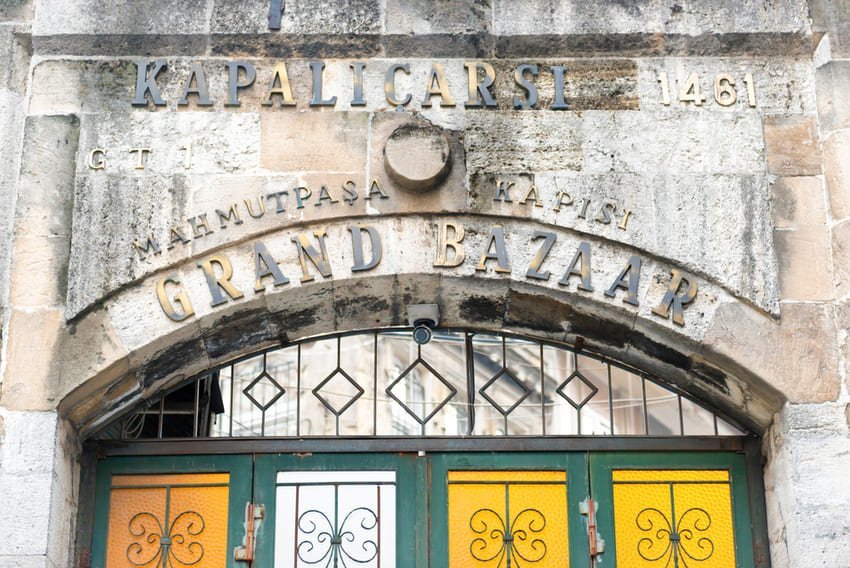
This monument is a bridge between the Byzantine era and the apogee of the Ottoman Empire. Its construction began in 1461 under the reign of Sultan Mehmet II the Conqueror, just after the conquest of Constantinople. It was built to boost the economy of the new capital.
Identity Card and Key Figures
- Year of construction: Started in 1461.
- Architectural style: Ottoman, with additions over the centuries.
- Dimensions: 30,700 m², 61 streets, 22 gates, over 4,000 shops. It’s a real city within the city, the equivalent of 5 football fields!
- Main materials: Stone and brick for the structure, painted vaults.
Architectural Must-Sees
The historical heart of the Grand Bazaar is formed by two *bedestens* (fortified halls). The oldest, the *Cevahir Bedesteni*, housed the most precious objects. Observe its massive domes. The *hans* are also treasures: these former caravanserais were places of trade and accommodation for merchants. Their inner courtyard is often a haven of peace.
Legends, Anecdotes, and Secrets
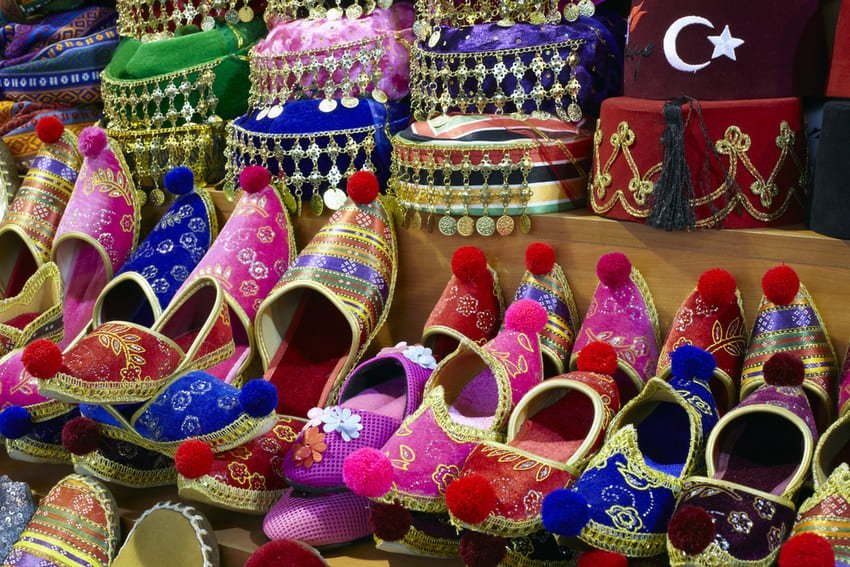
A fascinating anecdote: the bazaar was organized by guilds. There was the street of slipper makers, that of jewelers, carpet sellers… Today, this organization has somewhat disappeared, but you can still feel thematic “neighborhoods”. It is also said that secret tunnels connected the bazaar to other points in the city, although this is more of a legend!
What You Should Observe on Site
📢 Expert Tip: During your visit, take the time to look up at the painted vaults, many are beautifully decorated. Don’t forget to look for wall fountains (çeşme), often small Ottoman gems. And don’t miss the light filtering from the roof openings, it creates a magical atmosphere.
❓ Grand Bazaar FAQ
What is the entrance fee for the Grand Bazaar?
Entry to the Grand Bazaar is entirely free. You can enter and wander freely. The only expenses are your potential purchases or food breaks.
Why was the Grand Bazaar built?
It was built starting in 1461 by Sultan Mehmet II to revive Istanbul’s economy after the conquest. It was intended to centralize the trade of luxury goods and become the economic heart of the Ottoman Empire.
How to dress to visit the Grand Bazaar?
There is no strict dress code. However, as everywhere in Istanbul, comfortable and respectful attire is advised. Above all, remember to wear good shoes, as you will walk a lot!
Is the Grand Bazaar accessible to wheelchairs and strollers?
Unfortunately, accessibility is very limited. The ground is often uneven, passages narrow and crowded, and there are many small steps. Visiting in a wheelchair or with a stroller is very difficult and not recommended.
When is the Grand Bazaar closed?
The Grand Bazaar is open every day, but it is closed on national holidays (like October 29) and during religious festivals (Eid al-Fitr and Eid al-Adha).
📚 Official Sources on the Grand Bazaar
To best prepare your visit and check last-minute information (we are never safe from a schedule change or exceptional closure), I encourage you to consult these reliable sources.
- The official website of the Turkish Ministry of Culture and Tourism : For information on public holidays.
- The official website of the Grand Bazaar : For news and the shop directory.
- The UNESCO page on the Historic Areas of Istanbul : To understand the heritage importance of the site.
📢 Kevin’s Transparency Note: This article contains affiliate links to partners I personally use (GetYourGuide, Booking…). For you, the price remains unchanged, but by using these links, you directly support my work and allow me to continue offering these free Istanbul guides. Your visits fund my next simit (Turkish bread) with a good çay (Turkish tea)! Teşekkür ederim (thank you)! And go follow my Instagram page @kevinloveistanbul ❤️
What else to do in Istanbul?
Visit the Basilica Cistern
Entrance fee to the Basilica Cistern, hours and tickets. Information on history and location. Visit the cistern in Istanbul.
What to do in Istanbul?
Experiences not to miss and best things to do in Istanbul, Turkey. Visit Istanbul with kids, free things to do, best local experiences. What to do in Istanbul?

Leave a Comment