

- 🛡️ Should one fear terrorism or politics?
- 🎫 Book the Istanbul TouristPass
- ⚠️ Scams and petty crime
- 🗺️ Safe Neighborhoods and Areas to Avoid
- 👥 Safety of Women, LGBTQ+, Families
- 🚕 Transport and Health
- 🛍️ Shopping: Counterfeits and Customs
- ✅ 20 Golden Safety Rules in Istanbul
- 🌟 Be Vigilant, Not Paranoid
- ❓ Frequently Asked Questions (FAQ)
Istanbul. 16 million inhabitants. Two continents. An immense city where Ottoman mosques, modern skyscrapers, and millennial bazaars mingle. But is it a dangerous city? Can you go there with family? And what if I travel alone?
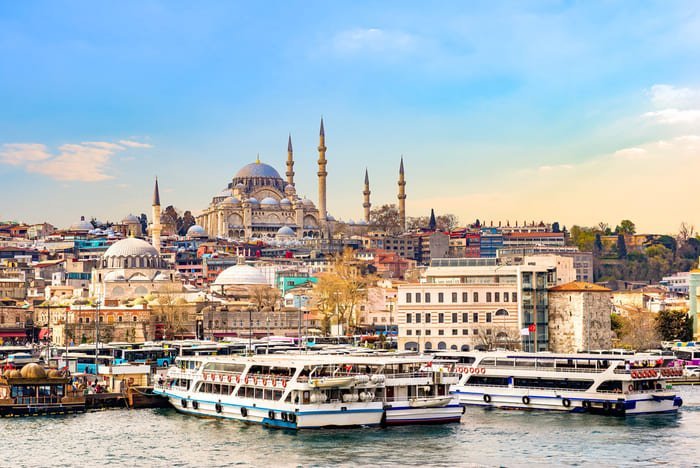
Yes, Istanbul is a safe city. Often safer than Paris, London, or Rome in terms of violent crime. Provided you know the codes and avoid certain traps. This 2026 guide gives you all the keys to enjoy this fascinating metropolis without stress or unpleasant surprises.
⚠️ Istanbul and the IRAN-USA-ISRAEL War
Since the outbreak of the conflict between the United States, Israel, and Iran in late February 2026, many travelers have been wondering whether it is still safe to visit Istanbul. The answer is clear: Istanbul and Turkey remain safe destinations for tourists. Turkey is not a direct party to this conflict, and airports, hotels, museums, and tourist sites are operating normally.
The French Ministry for Europe and Foreign Affairs does not advise against visiting Istanbul and simply recommends the usual level of caution in large cities, as in any major world metropolis, particularly against pickpockets and similar petty crime.
Only the 22 provinces in southeastern Turkey, near the borders with Syria and Iraq, are subject to reinforced precautions, which does not concern Istanbul at all, as the city is located more than 1,500 km from that area. Sultanahmet, the Bosphorus, and Beyoğlu are all bustling with tourists. So yes, you can travel to Istanbul with peace of mind.
🛡️ Should one fear terrorism or politics?
Let’s start by dispelling the heaviest fears. The security situation in Istanbul has been calm for several years. You will see security gates in front of shopping malls, museums, and even some metro stations. A dedicated tourist police force patrols in Sultanahmet, Taksim, and along the Bosphorus.
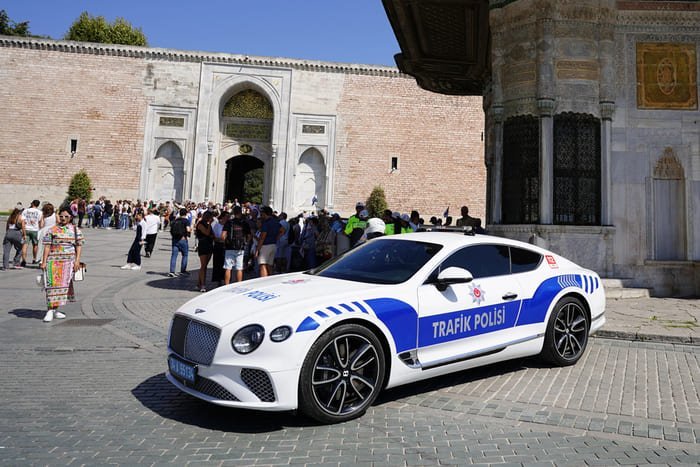
The comparison with European capitals is enlightening: the risk of terrorism exists everywhere (London, Paris, Berlin have experienced recent attacks), and Istanbul does not escape this global reality. However, tourist areas benefit from exceptional surveillance. The real danger in Istanbul is not political, but ordinary: scams and petty crime.
🎫 Book the Istanbul TouristPass
💡 Kevin’s Tip: If you plan to visit several monuments, the Istanbul Tourist Pass® is clearly the deal you shouldn’t miss. With over 100 attractions included and skip-the-line tickets, you save time on every visit… and especially money. Concretely, from the third entry, the pass pays for itself: afterwards, it’s just a bonus for your holiday budget!
⚠️ Scams and petty crime
You will likely never be physically assaulted, but you could be scammed. These scams are practiced, sophisticated, and specifically target tourists.
Pickpockets
They operate mainly in three ultra-crowded areas: the T1 tram (especially between Sultanahmet and Eminönü during rush hour), the pedestrian street Istiklal Caddesi, and the Grand Bazaar. The techniques are classic: organized jostling, a child asking for alms while an accomplice searches your bag, or simply a skillful hand in the crowded metro.
💡Solution: Wear your backpack in front of you on public transport. Use an anti-theft pouch under your clothes for passport and money. Never take out your phone on the T1 tram.
The “Friendly Drink” Scam
It is scam #1 in Istanbul, and it is dreadfully effective. Here is the typical scenario that repeats every day in the Beyoğlu district:
- The approach: One or two smiling Turks (sometimes accompanied by a woman) approach you near Taksim or Istiklal. They introduce themselves as friendly locals, ask where you are from, practice their English.
- The invitation: “We know a great bar with live music, come have a drink with us!” The atmosphere is warm, you feel confident.
- The trap: The bar (often in a dark alley of Beyoğlu) is almost empty. “Hostesses” come to sit at your table. Drinks keep coming without you seeing a menu or prices.
- The shock: The bill arrives: £420, £840, or even £2500 for a few beers and cocktails. You protest? Imposing bouncers appear. Some even lead you to an ATM to withdraw money.
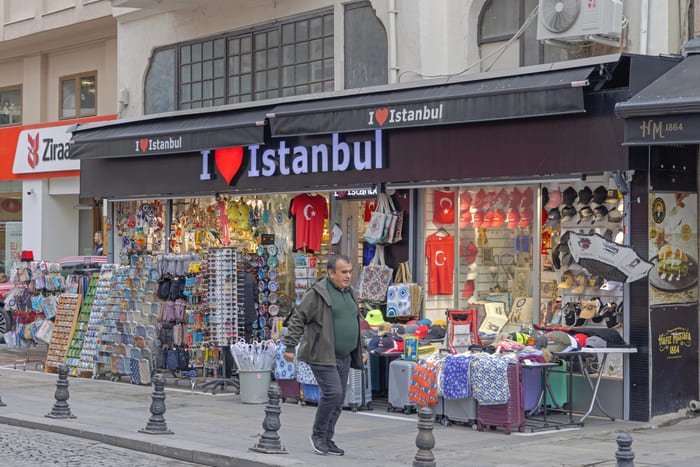
⚠️ MAXIMUM ALERT: This scam targets ESPECIALLY men traveling alone. The neighborhoods of Beyoğlu and Taksim are the epicenters. Refuse ANY invitation to a bar by strangers. If you want a drink, choose the establishment yourself and check Google reviews before entering.
The Shoe Shiner
A softer but annoying scam: a shoe shiner “drops” his brush in front of you on the Galata Bridge or in Sultanahmet. You pick it up politely, and he then insists on shining your shoes “for free” in gratitude. At the end, he demands 50-100 Turkish Liras (while the normal price is 10 TRY). If you refuse, he makes a scene.
💡Solution: If you see a brush fall in front of you, do not pick it up or keep walking. Learn to say firmly “Hayır, teşekkürler” (No thanks).
Fake Taxis
Official yellow taxis in Istanbul have a very bad reputation, even among locals. Classic scams include the rigged meter (spinning too fast), the “broken meter” (exorbitant fixed price), or the unnecessary long detour to inflate the fare. Some drivers outright refuse short trips or pretend not to have change to keep your banknote.
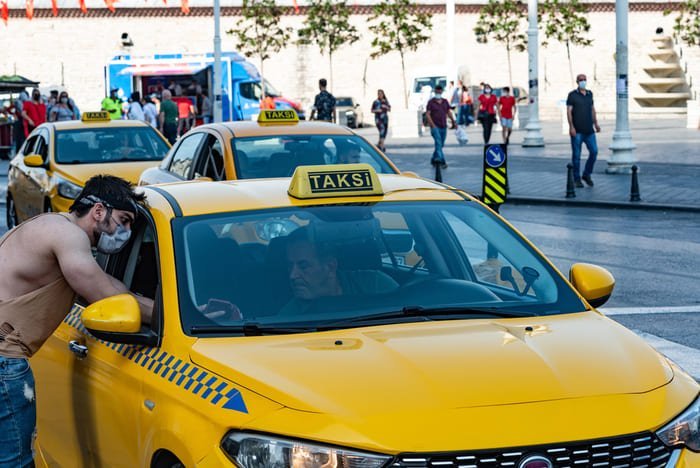
💡Radical solution: NEVER use yellow street taxis. Mandatorily download BiTaksi or Uber. You will have the price fixed in advance, a receipt, and no possible argument. This single tip will save you from 80% of problems.
🗺️ Safe Neighborhoods and Areas to Avoid
Istanbul is gigantic (5400 km²). Not all neighborhoods are equal in terms of security. Here is a clear map to choose your accommodation and plan your walks.
Green Zones (Very Safe)
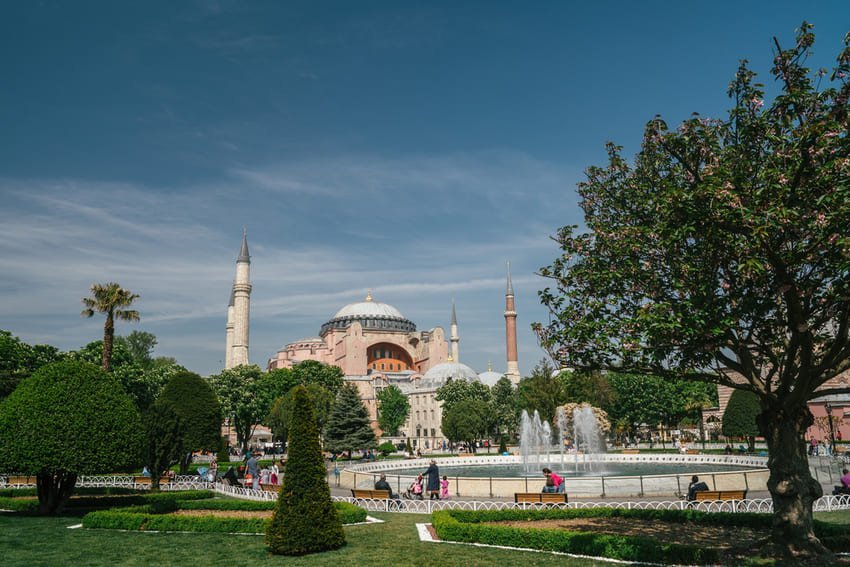
- Sultanahmet: The historic heart (Hagia Sophia, Blue Mosque, Topkapi Palace). Quiet, family-friendly neighborhood, ultra-secure with constant patrols. Ideal for a first stay, even if a bit touristy.
- Beyoğlu/Karaköy: The trendy district on the European side. Istiklal Caddesi is lively day and night. Restaurants, art galleries, nightlife. Safe, but beware of the scams mentioned above (bar scam). Avoid Tarlabaşı just next door (see below).
- Kadıköy (Asian Side): The favorite neighborhood of modern and secular Istanbulites. Young atmosphere, alternative cafes, colorful market. Very safe, less touristy, authentic. Excellent choice for accommodation.
- Beşiktaş/Ortaköy: Elegant neighborhoods along the Bosphorus. Safe and pleasant, but more off-center.
Red Zones (To Avoid Absolutely)
- Tarlabaşı: THE neighborhood to flee. Located just 500 meters from Taksim Square, it’s a vertical slum. Drugs, prostitution, crime. Even Turks are afraid to enter. 5-year-old children with knives hang out there. If you walk from Istiklal, be careful not to wander there by mistake.
- Dolapdere/Kasımpaşa: Disadvantaged popular neighborhoods, concentrations of scams and theft. No tourist interest.
- Kuştepe (Şişli): Former slum area, drug problems. To avoid.
- Aksaray/Laleli: Close to Sultanahmet but poorly frequented. Lots of counterfeits, pickpockets, tense atmosphere.
💡Golden Rule: Stay in the classic tourist neighborhoods (Sultanahmet, Beyoğlu, Kadıköy, Beşiktaş) and you will have no problem. Istanbul is huge, but the interesting areas for travelers are concentrated and safe.
Want a Private Guide?
👥 Safety of Women, LGBTQ+, Families
Solo Female Travelers
Istanbul is globally safe for women traveling alone, especially in the tourist districts of Sultanahmet, Beyoğlu, and Kadıköy. Violent crime against tourists is exceptionally rare. However, street harassment exists and can be burdensome.
Concretely: insistent stares, whistling, repeated “hello beautiful”, sometimes clumsy attempts at conversation. It is generally not dangerous, but it is unpleasant. The key: a firm attitude. Ignore, say “Hayır” (No) curtly, and continue your way without smiling or engaging in conversation. Turkish men test, but generally respect clear refusal.
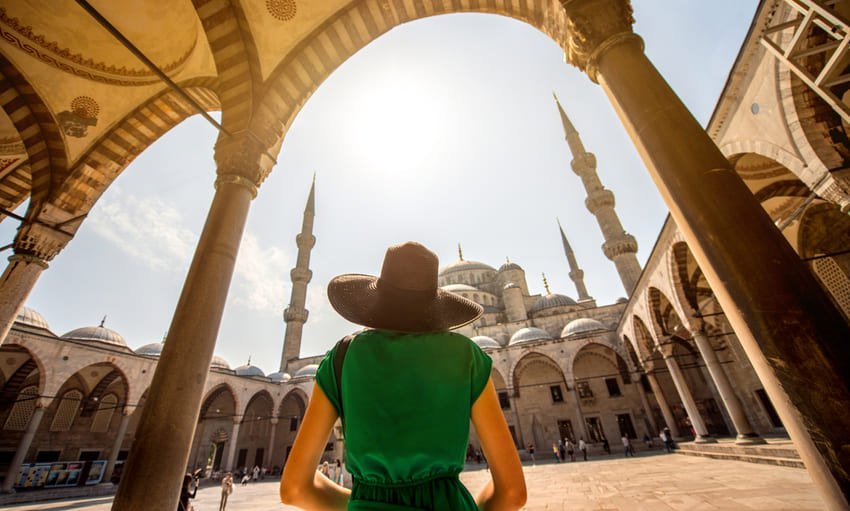
💡Clothing tips: Istanbul is a modern city where you will see Turkish women in jeans and t-shirts. No need for a veil. But covering shoulders and knees (especially in conservative neighborhoods like Fatih) reduces attention. To visit mosques, bring a scarf and long clothes. In the evening, avoid walking alone in deserted alleys of Beyoğlu.
LGBTQ+ Travelers
The situation is paradoxical. Istanbul has an active gay scene (bars, clubs in the Beyoğlu district, especially around Taksim). However, Turkey remains a predominantly conservative society where homosexuality, although legal, is frowned upon by a large part of the population.
💡Recommendation: Avoid public displays of affection (holding hands, kissing) outside progressive neighborhoods like Kadıköy or Cihangir. At the hotel or in international tourist places, no problem. Be discreet in transport and religious neighborhoods.
Families with Children
Istanbul is VERY safe for families. Turks love children (çocuklar), and you will benefit from systematic kindness. You will be offered help, smiles, sometimes even gifts for your children in shops.
💡Sole point of vigilance: Traffic is chaotic. Hold your young children’s hand firmly when crossing streets, even on pedestrian crossings (cars do not always stop). Sidewalks are sometimes broken with missing plates.
🚕 Transport and Health
Transport
Metro/Tram/Funicular: Istanbul’s public transport network is modern, clean, and very safe. Get an Istanbulkart (rechargeable card, available in all kiosks) as soon as you arrive. The T1 tram (tourist line) is crowded: watch out for pickpockets.
Taxis: As mentioned, absolutely avoid yellow street taxis. Exclusively use BiTaksi or Uber. These apps work perfectly in Istanbul, prices are fair, and you avoid 90% of scams. This is THE tip that will change your stay.
Ferries: Public boats (vapur) crossing the Bosphorus are safe, cheap, and magnificent. No particular risk.
Health
- Tap water: Not potable (too chlorinated and calcareous). Buy bottled water (very cheap). Brush your teeth with tap water without problem, but do not drink it.
- Street food: Contrary to popular belief, street food is generally safe in Istanbul. Look for stands with high turnover (fast rotation = freshness). Simit (sesame ring bread), balık ekmek (grilled fish sandwich in Eminönü), and köfte (meatballs) are delicious and safe if the place is clean and busy.
- Travel insurance: Essential. Private Turkish hospitals are excellent but VERY expensive (a consultation can cost £170). Take out insurance that covers medical expenses abroad.
- Pharmacies: Numerous (look for “Eczane” with a green cross). Pharmacists often speak English and dispense many medications without a prescription.
💡2025 Alert: Cases of methanol poisoning (adulterated alcohol) were reported in early 2025 in unlicensed bars. Never buy alcohol in dubious grocery stores and avoid shady bars without a visible license. Favor established restaurants and supermarkets for alcohol.
🛍️ Shopping: Counterfeits and Customs
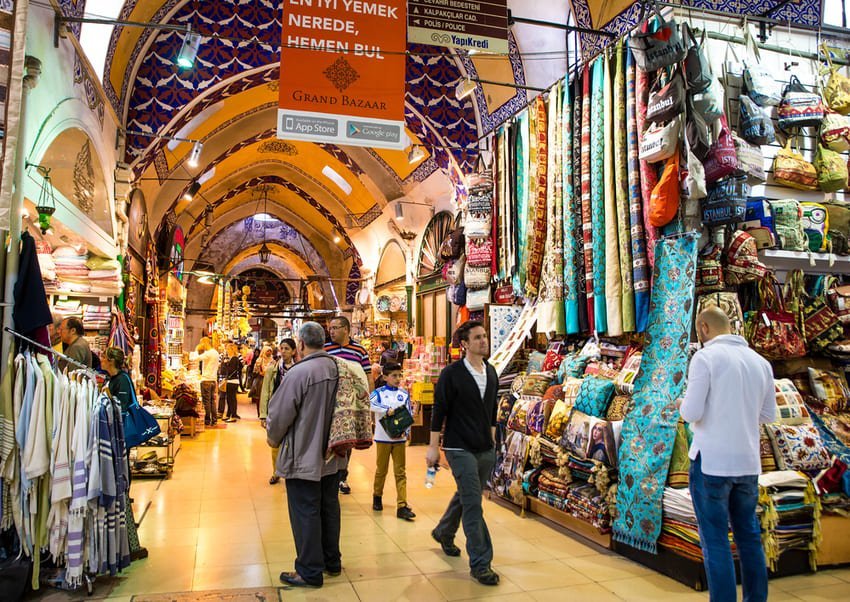
Istanbul is the world capital of luxury counterfeiting. In the Grand Bazaar, Laleli, or the alleys of Beyoğlu, you will find “fake” Louis Vuitton, Gucci, Rolex, Nike bags of stunning quality, sold openly for a few dozen pounds. Sellers will even offer to remove tags before packaging.
The legal trap: It’s not a physical danger, but a major financial and criminal risk. Importing counterfeit goods is strictly illegal in the UK and European Union. If UK/French/Belgian customs search your suitcase on return (which happens regularly on flights from Istanbul), here is what awaits you:
- Immediate confiscation of all counterfeit items
- Customs fine calculated on the value of the authentic product (a fake Hermes bag bought for £45 can cost you £4500 in fines)
- Possibility of legal proceedings for counterfeiting in case of large quantities
- Registration in customs files (systematic future checks)
💡Our advice: Resist temptation. Real Turkish souvenirs (authentic kilim rugs, Iznik ceramics, Turkish delight, spices, mosaic lamps) are magnificent, legal, and much more memorable than a fake bag that will end up at the bottom of a closet… or seized at Heathrow.
✅ 20 Golden Safety Rules in Istanbul
For a trouble-free trip, here is the indispensable “Survival Checklist” to memorize or print:
- Transport: Use Uber or BiTaksi – This avoids 90% of scams (rigged meters, detours). You have a record of the journey and the price.
- Absolute food distrust – NEVER accept food or drink offered by strangers in the street or in nightclubs. The risk of sedatives (GHB/scopolamine) exists, although rare.
- Secure backpack – In the T1 tram or the Grand Bazaar, wear your bag in front of you or use an anti-theft bag. Pickpockets are very skilled.
- Walk in groups at night – A basic tip, but one that instantly deters opportunists in the dark alleys of Beyoğlu.
- Watch out for Süleymaniye children – Around the Süleymaniye Mosque, groups of “street children” are known to surround tourists to empty their pockets in the confusion.
- Know how to say NO – Firmly refuse unrequested services: shoe shiners, improvised guides in front of mosques, street perfume sellers.
- The “OK” sign is an insult – Do not make the circle with thumb and index finger. In Turkey, this gesture is obscene (equivalent to calling someone homosexual in a pejorative way).
- Pay in Turkish Liras (TRY) – Refuse to pay in Euros, Pounds or Dollars. Merchants will apply a disastrous exchange rate for you.
- Have small change – Taxi drivers and small shopkeepers often pretend not to have change to keep the difference.
- Negotiate everything (or almost) – At the bazaar, in souvenir shops or for a taxi ride without a meter (not recommended), never accept the first price. Divide by two and go up.
- Ask about prices – Ask your hotel reception about how much a taxi to your destination should cost. This gives you a reference.
- Twilight vigilance – Be particularly aware of your surroundings at the end of the day, when the crowd is dense and fatigue sets in.
- Keywords in Turkish – Learning “İmdat” (Help), “Polis” (Police) or simply “Hayır” (No) shows that you are not a passive tourist.
- Certified agencies only – For your excursions, check that the agency has a TURSAB license (Association of Turkish Travel Agencies).
- Listen to your instinct – If a street, a bar, or a person makes you uncomfortable for no apparent reason: leave immediately.
- Document copies – Keep a digital copy (Cloud/Email) and a paper photocopy of your passport at the hotel.
- Travel Insurance – Quality private medical care is expensive in Istanbul. Good insurance is essential.
- Share your itinerary – Send your location or your program to a relative back home.
- Learn from others – Before leaving, take a look at recent Facebook groups or forums to know the latest trending scams.
- Stay calm – Turks are hospitable. By following these rules, you eliminate 99% of risks. Enjoy the city!
🌟 Be Vigilant, Not Paranoid
Istanbul is an absolutely extraordinary travel experience. Its majestic mosques, fragrant markets, Bosphorus shores at sunset, delicious street food, Turkish hospitality… All this awaits you without real danger if you keep a cool head.
The truth: You are statistically more likely to have your phone stolen in the Paris metro than to suffer an assault in Istanbul. Dangers are predictable and avoidable. This guide has given you all the cards in hand.
Emergency numbers to save:
- 112: General emergencies (ambulance, fire)
- 155: Police
- 110: Tourist police (English spoken)
- +90 212 334 87 30: French Consulate in Istanbul (emergencies for French citizens – check your own country’s consulate number)
Now, book your flight, follow these tips, and prepare to fall in love with Istanbul. Güle güle! (Goodbye in Turkish)
❓ Frequently Asked Questions (FAQ)
Can you drink tap water in Istanbul?
No, tap water is not recommended. Too chlorinated and calcareous, it can cause digestive troubles. Buy bottled water (about 5 TRY or £0.09 for 1.5L). However, you can brush your teeth with it without problem.
Are Istanbul taxis reliable?
No, yellow taxis have a bad reputation: rigged meters, useless detours, lack of change. Radical solution: use exclusively BiTaksi or Uber. These apps work perfectly in Istanbul and eliminate 90% of transport scams.
What neighborhoods should absolutely be avoided in Istanbul?
Tarlabaşı is the most dangerous (drugs, crime, 500m from Taksim). Also avoid Dolapdere, Kasımpaşa, Kuştepe, Aksaray, and Laleli. Favor Sultanahmet, Beyoğlu, Kadıköy, Beşiktaş, and Karaköy which are safe and touristy.
What is the bar scam in Istanbul?
Friendly locals invite you for a drink in a shady bar. Drinks keep coming with hostesses, then the astronomical bill arrives (£420-£2500). Bouncers prevent you from leaving without paying. Refuse any bar invitation from strangers.
Is Istanbul safe for a solo female traveler?
Yes, generally safe in tourist neighborhoods. Street harassment exists (stares, whistling) but remains rarely dangerous. Adopt a firm attitude, say “Hayır” without smiling. Cover shoulders and knees. Avoid deserted alleys at night.
Can I use my bank card everywhere in Istanbul?
Yes, Visa and Mastercard are widely accepted (hotels, restaurants, museums). Always have cash Liras for small shops and public transport. Warning: refuse to pay in pounds/euros, the applied rate is disadvantageous. Always pay in TRY.
Is there an earthquake risk in Istanbul?
Yes, Istanbul is located on an active seismic zone. A major earthquake is expected but impossible to predict. For a short stay, the statistical risk remains minimal. Inform yourself about your hotel’s evacuation procedures and take out comprehensive insurance.
Can I bring back luxury counterfeits from Istanbul?
No, it is illegal and very risky. Importing counterfeits into the UK/EU is prohibited. In case of customs check, you risk: confiscation, fine of several thousand pounds, and legal proceedings. Favor real Turkish souvenirs: kilim rugs, ceramics, spices.
Do I need a visa to go to Istanbul from the UK?
No, UK citizens can stay in Turkey for up to 90 days in any 180-day period without a visa. Only a valid passport (valid for at least 6 months after arrival) is necessary.
What budget for food in Istanbul in 2026?
Istanbul remains very affordable: simit £0.40, kebab £2.50-£4.20, local restaurant £4.20-£8.40, tourist restaurant £12.50-£21.00. Major chains (Starbucks) are at European prices. Recommended average budget: £12.50-£25.00 per day to eat well with variety.
The best times of the year to visit Istanbul: weather, visits, excursions, events, festivals, things to do and shopping.

Leave a Comment