

- 🗝️ Key Information about Ephesus
- 🧭 Why Visit Ephesus?
- 🚇 How to Get to Ephesus?
- ⏰ What are the opening hours of Ephesus?
- 🕰️ Best time to visit Ephesus?
- 💰 What are the entry fees for Ephesus?
- 💻 Benefit of Booking
- 🔍 Services and Practical Tips
- 💡 My tips for a successful visit to Ephesus
- 🏨 Best Hotels Near Ephesus
- 🗺️ What to See Near Ephesus
- 🧿 What to Do Near Ephesus
- ⚠️ Tips to Avoid Scams
- 💬 My Personal Opinion on Ephesus
- 🏗️ History and Architecture of Ephesus
- ❓ FAQ about Ephesus
- 📚 Official Sources on Ephesus
- What else to do in Turkey?
🗝️ Key Information about Ephesus
| Official Name | Ephesus Archaeological Site (Efes Antik Kenti) |
| Address | Acarlar, 35920 Selçuk/İzmir, Turkey |
| Opening Hours | Open daily. Summer (April 1 – October 1): 08:00 – 19:30. Winter (October 1 – April 1): 08:30 – 18:00. (Last entry 1h before closing) |
| Entrance Fees | £35 or 2000 TL for the combined ticket (Main Site + Terrace Houses + Ephesus Museum) |
| Current Works | The theatre section is closed to visitors due to restoration works. |
| Tickets | Book your skip-the-line ticket here |
| Visit Duration | 3 to 5 hours for a complete visit (including the terrace houses). |
| Tip #1 | Start at the upper entrance to walk down the site effortlessly and finish at the Grand Theatre, the highlight of the show! |
| Update | Last check: Prices, hours & works: January 2026 |
🧭 Why Visit Ephesus?
Honestly, why do millions of travelers flock to Ephesus every year? Because it’s not just a pile of ruins. It’s a time machine. Imagine wandering through one of the greatest cities of antiquity, a vibrant port where East met West. It’s an immersive, almost unreal experience.

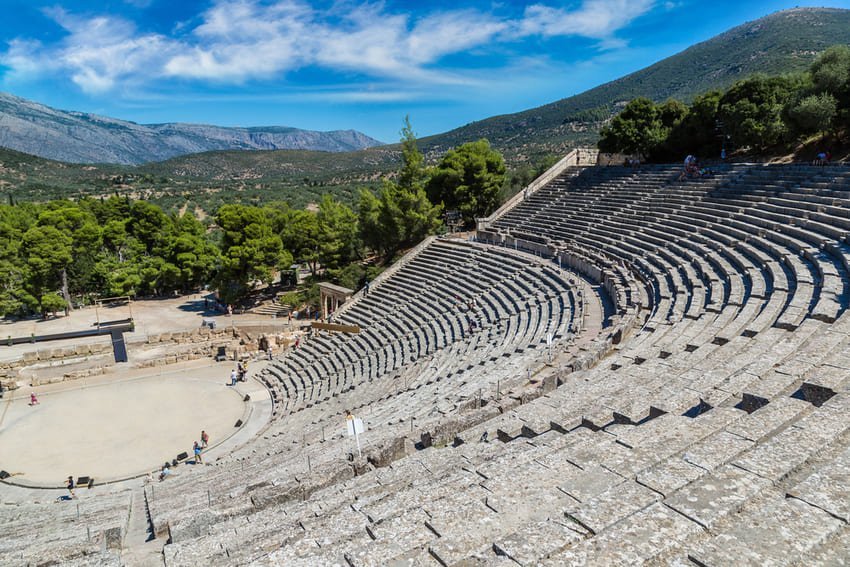
Concretely, what will you see? The star is the Library of Celsus, with its absolutely monumental two-story façade. Then, the Grand Theatre with 25,000 seats that makes you dizzy, and the famous terrace houses, incredibly preserved Roman villas with their mosaics. It is one of the most photographed archaeological sites in the world.
🚇 How to Get to Ephesus?
Ephesus is very accessible from the main hubs in the region. Here are the simplest options to organize your trip.
Plane and Minibus
The easiest way is to reach the town of Selçuk, located just 3 km from Ephesus. If you arrive from Izmir Airport (ADB), a train (İZBAN) takes you directly to Selçuk in about 1h15. Once in Selçuk, you can take a minibus (dolmuş) that takes you to the two entrances of the Ephesus site in 10 minutes for a few Turkish Liras. This is the most economical option!
Train, Bus, and Taxi
Buses connect all major cities in Turkey to Selçuk or Kuşadası (a popular seaside resort 20 mins away). It is a comfortable and cheap option.
For taxis, I strongly advise using the BiTaksi or Uber apps to fix the price in advance and avoid unpleasant surprises. A ride from Selçuk costs around 150-200 TL. If you are new to Uber, you can enjoy a discount on your first rides by using my referral link.
📢 Local Expert Tip: For me, the simplest way is the train from Izmir to Selçuk. It’s fast, cheap, and immerses you directly in the local atmosphere. Above all, avoid taking a taxi at the airport exit without negotiating the price firmly or using an app!
⏰ What are the opening hours of Ephesus?
- Summer Season (April 1 – October 1): open daily from 08:00 to 19:30.
- Winter Season (October 1 – April 1): open daily from 08:30 to 18:00.
- Last entry: Ticket counters generally close 1 hour before the site closes.
- Closing Days: The site is open 365 days a year, but hours may be reduced during religious holidays.
🕰️ Best time to visit Ephesus?
Plan a good half-day, about 3 to 4 hours, to explore the site without rushing, especially if you visit the terrace houses (which I highly recommend!).
To avoid crowds
The secret is to arrive right at opening time in the morning (before 9 am) or in the late afternoon (after 4 pm). You will avoid the tour buses and the crushing summer heat. Between 11 am and 3 pm, the site is packed and there is almost no shade. In winter, a midday visit is very pleasant.

For photography
📢 For photographers, the morning “golden hour” is magical. The soft light illuminates the façade of the Library of Celsus spectacularly. There is an incredibly serene atmosphere with the silence of the first visitors. The evening also offers magnificent light on the Grand Theatre.
💰 What are the entry fees for Ephesus?
Here are the official rates to plan your budget without surprises. Note that they can change, especially in Turkish Lira.
- Combined Ticket (Ephesus + Terrace Houses + Selçuk Museum): around £35. This is the most complete and cost-effective option.
- Museum Pass Türkiye: Ephesus is included in the Museum Pass Türkiye. This pass (around £144 for 15 days) is very cost-effective if you plan to visit many sites in Turkey (like Pamukkale, Cappadocia, or Istanbul museums).
- Children: Entry is generally free for children under 8 years old.
💻 Benefit of Booking
Honestly, booking online is no longer an option, it is a necessity for a site like Ephesus.
Book your ticket online
I tell you as a friend: don’t waste a precious hour of your day in the queue under the blazing sun. By booking your skip-the-line ticket online, you enter directly. It’s a huge time saver, a guarantee of having your spot, and incomparable peace of mind. You pay in your currency and receive the ticket on your phone, it’s simple and efficient.
Opt for a professional guide
🔍 Services and Practical Tips
Dress Code and Rules
There is no strict dress code like in a mosque, but respect is expected. Bring very comfortable walking shoes (forget flip-flops!), a hat, sunglasses, and sunscreen. The site is huge and shade is rare.
Accessibility (PRM, Strollers, Sensitivity)
Honestly, accessibility is the weak point. The main path is paved with large irregular marble slabs. It is very difficult for wheelchairs and not passable for strollers. I unfortunately advise against it for people with very reduced mobility. Audio guides are available in English at the entrance.

Amenities (Toilets, Lockers, Wi-Fi)
You will find toilets (usually paid, bring some change) and cafes/shops at both entrances (upper and lower). There are no official lockers inside, so travel light. Wi-Fi is almost non-existent on the site.
Food and Shopping (My Advice)
📢 My advice: avoid the restaurants located right at the exits of the site; they are expensive tourist traps with no soul. Walk 10 minutes or take a dolmuş to the center of Selçuk. For an authentic break, I recommend the Ejder Restaurant. You will eat delicious local dishes for a ridiculously low price, in a family atmosphere.

Photo & Video (The Best Spots)
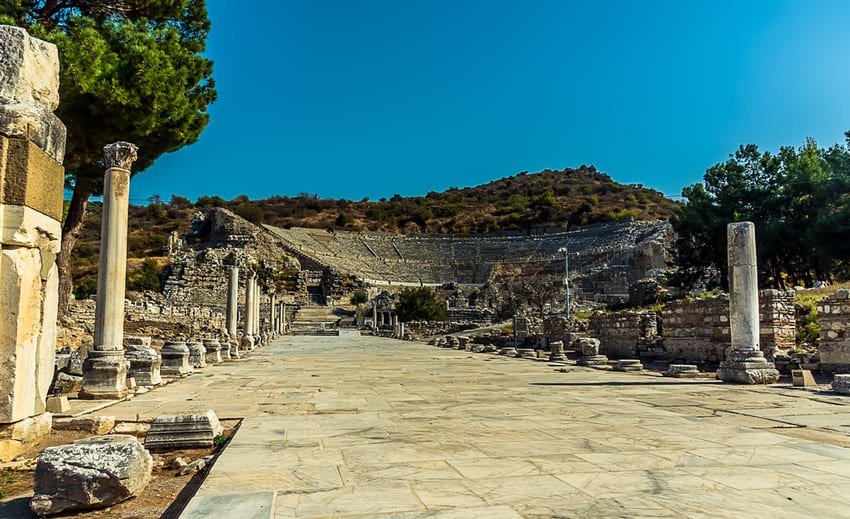
Photos and videos are allowed everywhere, but no flash in the terrace houses and no tripods. Here are my favorite spots: 1. The plunging view of the Library of Celsus from the top of Curetes Street. 2. Sitting on the upper tiers of the Grand Theatre, with the view of the avenue leading to the ancient port. 3. The detail of the goddess Nike (victory) carved in stone, a shot for connoisseurs!
💡 My tips for a successful visit to Ephesus
To make your visit perfect, here is my local checklist, tested and approved dozens of times!
- Bring lots of water! Especially in summer, the heat is scorching and there are few water points inside the site.
- Start at the upper entrance. Take a taxi or dolmuş to the “upper gate” and walk down the site leisurely. It is much less tiring.
- Don’t skip the terrace houses. The entry is extra, but it’s worth every penny. Seeing these mosaics and frescoes so well preserved is a highlight.
- Bring cash. For toilets, a bottle of water, or a small souvenir, having a few Turkish Liras on you is always useful.

My “Off the Beaten Path” Tip
📢 The advice I give to all my friends: after your visit, don’t leave right away! Go up to the small village of Şirince, a 15-minute taxi ride from Selçuk. It is a magnificent old Greek village, nestled in the hills, famous for its fruit wines. Tasting a glass of mulberry wine on a terrace with a view of the orchards, after the bustle of Ephesus… believe me, it’s the perfect conclusion to your day.
🏨 Best Hotels Near Ephesus
To fully enjoy Ephesus, I advise you to stay in Selçuk, an authentic village at the foot of the site, or in Kuşadası, a lively seaside resort 20 minutes away. Here is my personal selection, based on excellent reviews (minimum 4/5) and good value for money.
| Budget | Hotel Name | Description |
|---|---|---|
| Budget | Amazon Antique | Located in Selçuk, this charming hotel is a 5-minute drive from Ephesus. Its major asset is its lush garden with a pool, perfect for relaxing after the visit. |
| Budget | ANZ Guesthouse | An adorable family guesthouse in Selçuk. You feel right at home! A 10-minute walk from the center, the warm atmosphere and homemade breakfasts make the difference. |
| Mid-range | Cella Boutique Hotel & Spa | My favorite! In Selçuk, this hotel offers magnificent rooms and a superb spa to relax. It is 7 minutes by car from Ephesus. The atmosphere is refined and peaceful. |
| Mid-range | Ilayda Avantgarde Hotel | In Kuşadası, for those who want the beach. This modern hotel is on the seafront, 20 minutes by car from Ephesus. Its asset: the rooftop pool with a breathtaking view of the Aegean Sea. |
| High-end | Charisma De Luxe Hotel | A superb 5-star hotel in Kuşadası, 25 minutes away. It has a private beach and magnificent pools. The atmosphere is luxurious and ideal for a comfortable stay. |
| High-end | Korumar Hotel De Luxe | Also in Kuşadası, perched on a cliff. 25 minutes by car from Ephesus, it offers an exceptional panoramic view of the sea. It is the perfect choice for a romantic getaway. |
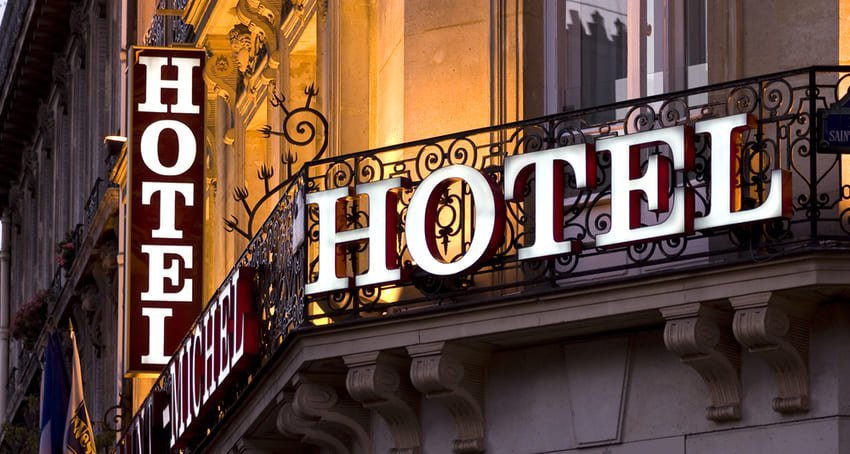
For me, without hesitation, the best hotel near Ephesus is the Cella Boutique Hotel & Spa because it combines the charm of an old house, the comfort of a modern spa, and ideal proximity to the ancient site. It is the perfect balance.
🗺️ What to See Near Ephesus
Take advantage of your visit to Ephesus to discover other must-see sites in the immediate vicinity:
- The House of the Virgin Mary: An important pilgrimage site, 7 km from Ephesus (15 min by car).
- The Ephesus Archaeological Museum: Located in the center of Selçuk, it exhibits treasures found on the site (5 min by car).
- The Basilica of St. John: The ruins of the church said to house the tomb of the Apostle John, on a hill in Selçuk (5 min by car).
- The Temple of Artemis: Only one column remains of one of the Seven Wonders of the Ancient World, but the site is moving (5 min by car).

Suggested Itinerary
For an express and historical half-day: start with the House of the Virgin Mary early in the morning, then go down to visit Ephesus (entry from the top). After the visit, have lunch in Selçuk, then spend an hour at the Archaeological Museum and finish with the Basilica of St. John for the sunset. It is a logical and optimized itinerary that immerses you in the heart of the region’s history.
The general atmosphere of the area is a fascinating mix of historical fervor, seaside tourism, and agricultural tranquility. It truly is another facet of Turkey.
🧿 What to Do Near Ephesus
Extend the magic of your visit to Ephesus! Just next door, hidden treasures, unique activities, and services await you, selected by our partner:
⚠️ Tips to Avoid Scams
Ephesus is a safe place, but this very touristy site attracts some opportunists. Here is how to spot them in a blink of an eye:
- Fake guides at the entrance: People approach you with fake badges offering an “official” tour at a bargain price. The Kevin Defense: Decline politely (“No, thank you”) and only address authorized guides waiting near the official ticket counters.
- The taxi that “forgets” the meter: At the exit, a taxi offers you an exorbitant fixed price to return to Selçuk or Kuşadası. The Kevin Defense: Always demand the “taximeter” before getting in. If he refuses, move to the next one or, better, use an app like BiTaksi.
- The “free” visit to the carpet/leather factory: Your taxi driver or an unofficial guide proposes a “gift” detour to a factory. It is a high-pressure sales technique. The Kevin Defense: Refuse firmly but with a smile: “Başka bir zaman, teşekkürler” (Another time, thanks).
Simply stay vigilant and everything will go wonderfully well!

💬 My Personal Opinion on Ephesus
After numerous visits, I can give you my sincere analysis of this jewel of humanity.
The Expert’s “Pros” 👍
- Historical Immersion: Walking on Curetes Street and standing in the center of the Grand Theatre is pure emotion, a direct link with History.
- State of Preservation: The Library of Celsus and the terrace houses are incredibly rich. You can’t imagine such a level of detail before seeing it.
- Photogenicity: Every corner is a postcard, especially with the morning or evening light. It is a paradise for photographers.
The “Cons” 👎
- Extreme Crowds: In high season, the crowd can really spoil the experience. Solution: Visit at opening or late in the day, and prioritize the shoulder seasons (spring, autumn).
- Lack of Shade: In summer, the visit can become a physical ordeal. Solution: Water, hat, and don’t hesitate to take breaks in the rare shaded areas or in the Terrace Houses Museum (which is covered).
- Lack of Accessibility: The site is really difficult for PRMs and families with strollers. Alternative: The Ephesus Archaeological Museum in Selçuk is flat and fully accessible.
My Favorite Moment
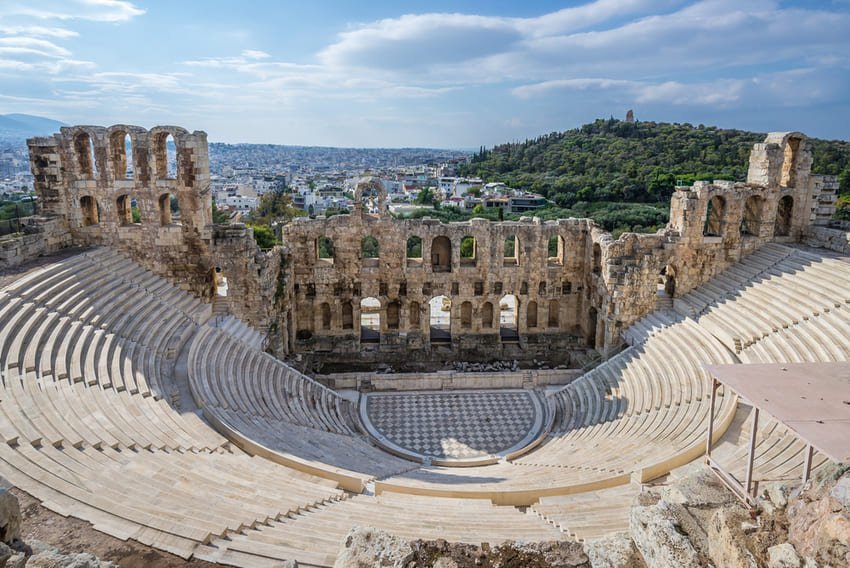
Honestly, my own moment is sitting at the very top of the Grand Theatre’s tiers, just before closing. The crowd has left, the sun is going down, and a golden light wraps the great avenue that once led to the port. I imagine the tumult of the 25,000 spectators, the announcements, the wind carrying the smells of the sea… It is at this precise moment that Ephesus ceases to be a museum and becomes a living city again. For me, this is the very essence of this magical place.
🏗️ History and Architecture of Ephesus
This monument is much more than a ruin, it is an open-air history book. Founded by the Greeks, Ephesus reached its peak under the Roman Empire to become one of the largest metropolises of the ancient world. It was a major commercial, cultural, and religious crossroads.

Identity Card and Key Figures
- Year of construction: Founded in the 10th century BC, but most visible monuments date from the Roman era (1st and 2nd centuries AD).
- Architectural Style: Mainly Imperial Roman, with Hellenistic influences.
- Dimensions: The archaeological site extends over more than 10 km², but the main visit area is about 2 km long. The Grand Theatre could hold 25,000 spectators, the size of a modern stadium!
Architectural Highlights
Besides the famous Library of Celsus, don’t miss the Temple of Hadrian, a small Corinthian jewel. Also admire the details of the public latrines, which show the sophistication of Roman life. In the terrace houses (Yamaç Evleri), the floor mosaics and wall frescoes are incredibly fine; they tell the daily life of the richest families of Ephesus.
Legends, Anecdotes, and Secrets
An anecdote I love: they say a footprint carved in the marble near the library discreetly pointed the way to the city’s brothel! It’s a small detail that makes history so much more human. Another legend says the Virgin Mary spent her last years near Ephesus, hence the pilgrimage site of the “House of Mary”.
What You Must Observe on Site
📢 During your visit, take the time to look up at the capitals of the columns, their details are impressive. Don’t forget to look for the channels dug in the marble streets, which served as a sewage system. Don’t miss the light filtering through the door of the Temple of Hadrian at the end of the day, it’s sublime.
❓ FAQ about Ephesus
What is the entrance fee to visit Ephesus?
The combined ticket that includes the main site, the terrace houses, and the museum costs around £35. This is the best option for a complete visit and to understand the history of the site.
Why is Ephesus so famous?
Ephesus was one of the largest and most important cities of the ancient world, famous for its Temple of Artemis (a Wonder of the World) and its Library of Celsus. It is an exceptional testimony to Roman urbanism.
How to dress to visit Ephesus?
Opt for light clothing, very comfortable walking shoes, a hat, and sunglasses. The site is very exposed to the sun and the ground is uneven.
What are the opening hours?
In summer, the Ephesus site is open from 8:00 am to 7:30 pm. In winter, from 8:30 am to 6:00 pm. It is advisable to arrive either very early in the morning or late in the afternoon to avoid the crowds and the heat.
Is the site accessible to wheelchairs and strollers?
Unfortunately, no. The path consists of large ancient marble slabs and is very uneven, which makes visiting very difficult, if not impossible, in a wheelchair or with a stroller.
📚 Official Sources on Ephesus
To prepare for your visit and check last-minute information (one can never be too careful!), I recommend consulting these reliable sources. This builds trust and ensures up-to-date data.
- The official website of the Turkish Ministry of Culture and Tourism: The most reliable source for official hours and prices (in English/Turkish).
- The UNESCO page on Ephesus: To understand the universal importance of the site, listed as a World Heritage Site.
- The Wikipedia page (in English): A mine of historical and architectural information for the most curious.
📢 Transparency Note from Kevin: This article contains affiliate links to partners I personally use (GetYourGuide, Booking…). For you, the price remains unchanged, but by using these links, you directly support my work and allow me to continue offering you these free guides on Turkey. Your visits fund my next simit with a nice çay! Shukran! And go follow my Instagram page @kevinloveistanbul ❤️
What else to do in Turkey?
Do you know Cappadocia? Get a ticket and go see this magnificent city if you want to go hot air ballooning.
Visit Pamukkale
Everything about Pamukkale in Turkey: Photos of water pools, hours, where to stay, where to eat, and how to visit Hierapolis. Visit Pamukkale.
What to do in Istanbul?
Experiences not to be missed and the best things to do in Istanbul, Turkey. Visiting Istanbul with children, free things to do, best local experiences. What to do in Istanbul?


Leave a Comment